

When the grout between tiles starts to discolor or look worn, many homeowners wonder if there’s a quick and cost-effective solution that doesn’t involve the hassle of removing and replacing it entirely. This is where grout pens come into play, marketed as a fast, affordable way to refresh the look of tiled surfaces. But can grout pens truly replace traditional regrouting, or are they more of a temporary cosmetic fix? Let’s examine their effectiveness and limitations.
Understanding What Grout Pens Can and Cannot Do
Grout pens are essentially paint markers designed to recolor grout lines, giving them a cleaner, fresher look. They can cover stains, discoloration, and small imperfections that build up over time. For homeowners who want an immediate improvement without investing in a full renovation, they can be a surprisingly effective solution for aesthetics. A single application can make a bathroom or kitchen appear brighter and more well-maintained within minutes.
However, grout pens do not actually repair grout. They cannot fill cracks, restore structural integrity, or address underlying issues such as mold growth or water damage. If the grout is crumbling, missing, or badly deteriorated, a grout pen will only hide the problem rather than fix it. In those cases, regrouting—or even tile replacement—becomes unavoidable for long-term durability.
Another thing to keep in mind is longevity. While grout pens are convenient, the color layer applied is not permanent. It tends to wear away over months, especially in high-traffic areas like shower walls or kitchen backsplashes. That means refreshing with another coat will likely be necessary, whereas proper regrouting can last for years without additional touch-ups.
Comparing Grout Pens Against Full Regrouting
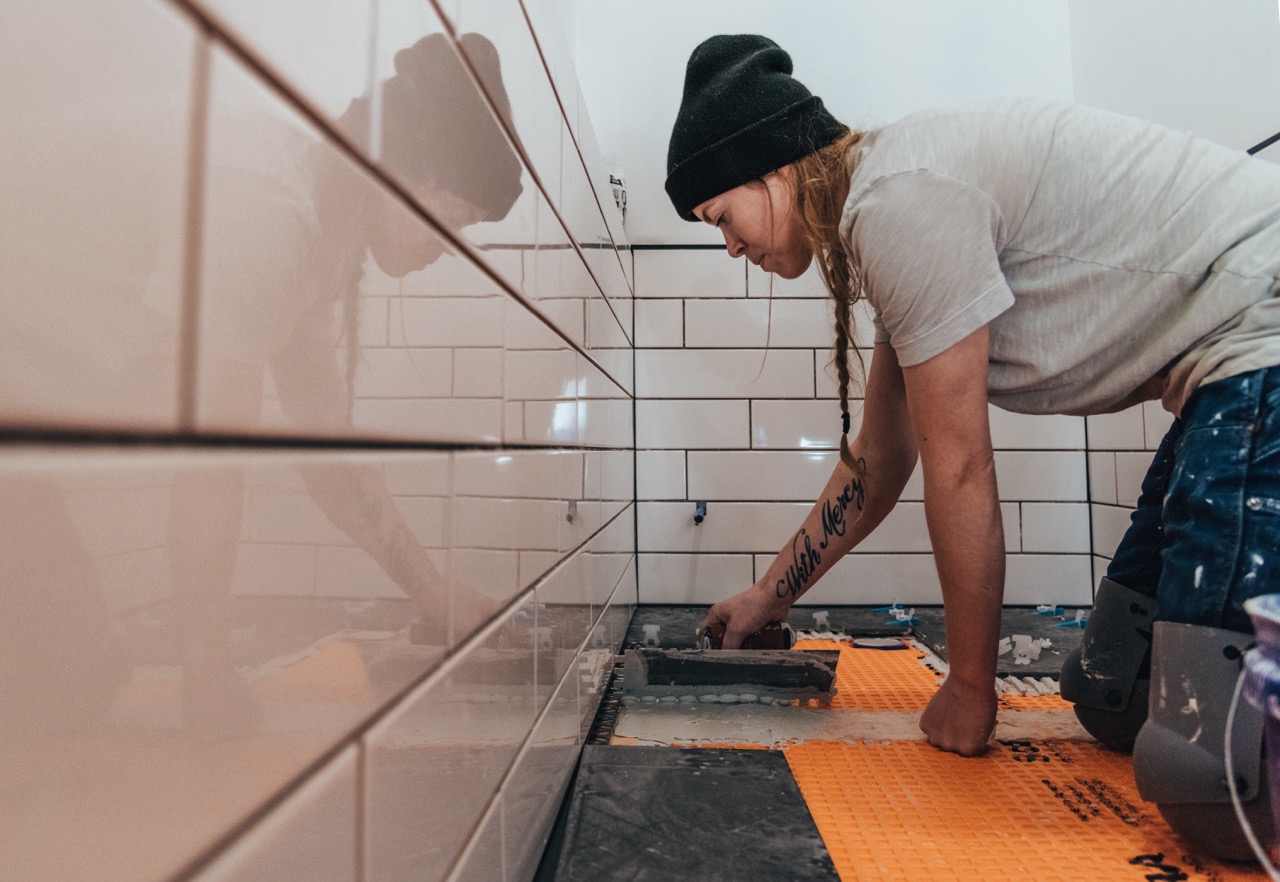
Full regrouting involves removing the old, damaged grout and applying new material between tiles. This process is labor-intensive and can be messy, but it effectively restores both the appearance and structural reliability of the tiled surface. Regrouting not only brings back a clean, sharp look but also reinforces the protective barrier that prevents water infiltration—a critical factor in bathrooms, showers, and kitchens.
When considering grout pens as an alternative, it’s worth weighing cost and effort against outcome. Grout pens are quick, inexpensive, and DIY-friendly, making them attractive for temporary fixes or for spaces where the grout is still intact but stained. Regrouting, on the other hand, is more expensive—especially if done professionally—but provides a truly long-lasting solution. This makes it the more practical choice when grout is damaged rather than just discolored.
In practical terms, grout pens should be seen as a cosmetic product, while regrouting remains the structural solution. If your grout simply looks dull but is otherwise intact, a pen can provide a budget-friendly refresh. But if you’re facing gaps, cracks, mold, or water penetration issues, nothing short of regrouting will protect your tiles and underlying surfaces.
Grout pens can serve as a useful tool for refreshing the appearance of tile surfaces quickly and affordably, but they are not a true replacement for full regrouting. Their role is primarily decorative, not structural, meaning they work best in situations where grout is intact but stained. For long-lasting performance and protection against water damage, full regrouting remains the reliable option. Ultimately, the choice depends on whether your tiles need a cosmetic touch-up—or a complete restoration.