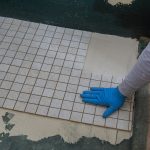


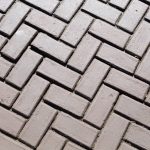
Grout pens have made a name for themselves as a quick fix for dingy, discolored grout lines, promising to refresh tiled spaces without the need for messy renovation work. While many homeowners see them as a budget-friendly solution, the design world has a more nuanced perspective. Interior designers, who are constantly balancing aesthetics, longevity, and practicality, often have strong opinions on whether grout pens are a smart move in creating polished interiors.
Do Grout Pens Truly Meet Interior Designers’ Standards?
When asked about grout pens, many interior designers point out that while they can instantly improve the look of old grout, the effect is essentially cosmetic. Much like painting over imperfections on a wall instead of repairing them, grout pens cover up the problem rather than addressing the underlying wear or staining. For designers who prioritize both beauty and durability, this temporary fix can feel like cutting corners rather than elevating a space.
However, some designers acknowledge that grout pens have a place in certain scenarios. For clients preparing to list their home on the market or renters who cannot make permanent changes, grout pens can freshen up a bathroom or kitchen quickly and inexpensively. They’re seen as a low-effort way to achieve a cleaner, sharper aesthetic with minimal disruption—a small but effective tool in making spaces more presentable for a short-term need.
That said, standards in professional design often lean heavily toward lasting quality, and grout pens fall short in this respect. Designers know that once moisture, mold, and heavy foot traffic come into play, the pen’s impact tends to fade. For those seeking a long-term solution aligned with high design principles, re-grouting or professional cleaning remains the gold standard. In the eyes of many designers, grout pens simply do not meet the enduring excellence they aim to achieve in their projects.
The Surprising Truth About Grout Pens in Home Design
Despite their shortcomings, grout pens do reveal something interesting about interior design philosophy: not every solution needs to be permanent to be valuable. Designers who work with clients across various budgets and lifestyles recognize the psychological boost homeowners get from a cleaner-looking space. Grout pens, in this sense, bring an instant sense of order and freshness that can make a bathroom or kitchen feel cared for, even if it’s only a surface-level improvement.
Designers also mention that grout pens can be a clever way to experiment with style before committing to bigger renovations. By changing grout color temporarily—from light to dark or vice versa—homeowners get to “test drive” a look. For example, kitchens can feel more contemporary with darker grout, while lighter grout can soften a bathroom design. As a result, grout pens may actually play a subtle role in shaping design decisions down the line.
Ultimately, the truth is that grout pens aren’t universally beloved or dismissed. Interior designers see them as situational tools, not long-term investments. They may not be recommended as the go-to solution for every client, but they do have an unexpected charm as a quick aesthetic fix. In fact, many designers admit that while grout pens won’t replace professional solutions, they can still be a surprisingly useful stepping stone in the broader journey of creating a home that feels refreshed and inviting.
Grout pens may never become the darling of interior design, but they do hold practical appeal for certain situations. Interior designers generally don’t recommend them as a permanent solution, yet they acknowledge their usefulness when budget, time, or flexibility is the priority. The real takeaway is that beauty in the home isn’t always about chasing perfection—it’s also about making meaningful upgrades, even temporary ones, that bring joy and comfort to our spaces. In the right hands, grout pens can be part of that story.