Using Grout Pens Safely on Heated Floors Explained
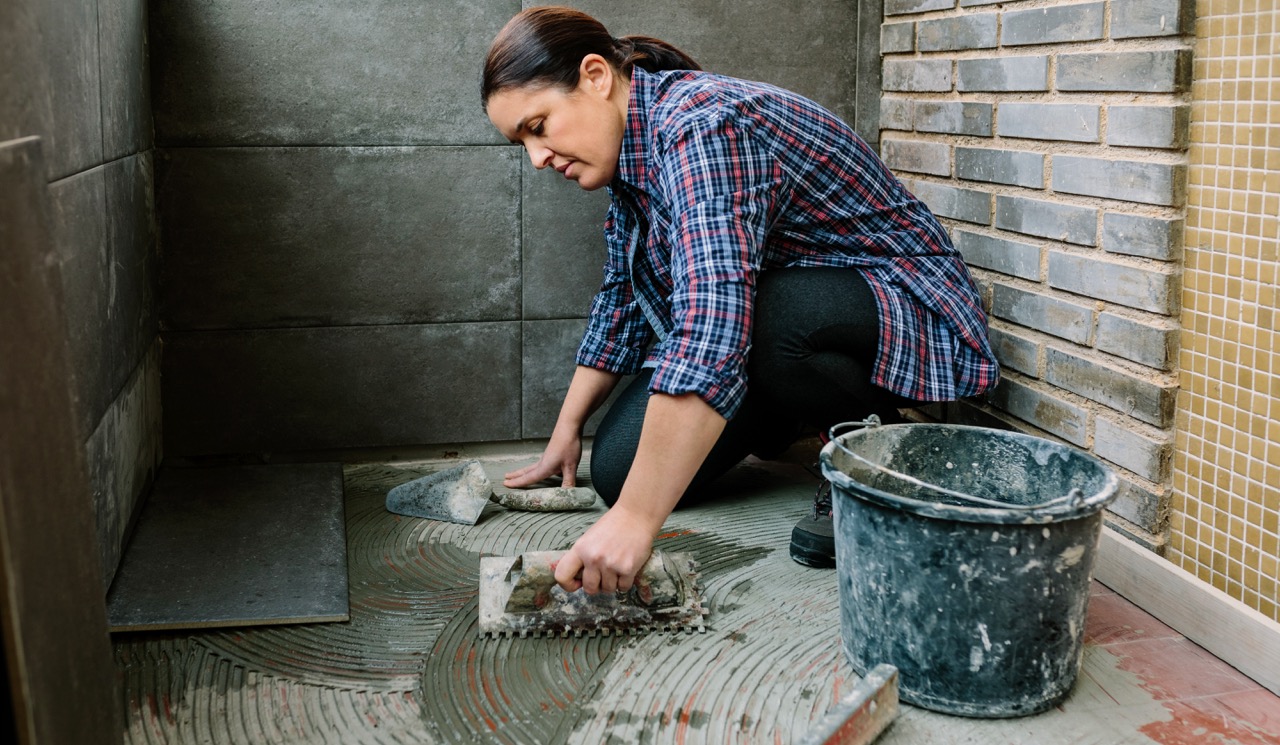
Many homeowners wonder if grout pens can be safely used on heated floors. Since grout pens are a quick and convenient way to refresh the look of tiled spaces, it’s natural to want to apply them in every area of the home - including bathrooms or kitchens with underfloor heating. However, there are a few important things to keep in mind before you start. Understanding how heated floors interact with grout pens helps ensure not only a better finish but also a safer application.
Important Safety Tips for Grout Pens on Warm Floors
When it comes to using grout pens on floors with underfloor heating, the first step is to switch the system off while applying. Heated tiles may cause the liquid in grout pens to dry too rapidly, which can compromise adhesion and durability. Allow the surface to cool down fully before starting, as this makes it much easier to apply the product evenly.
It’s also worth keeping ventilation in mind. Even though grout pens are generally low in fumes compared to larger sealants or paints, working on warm tiles in a confined space might intensify the smell. Opening windows or using a fan is a simple precaution that improves comfort and safety. Always follow the manufacturer’s recommendations on safe handling as well.
Lastly, patience is key. After applying the grout pen, give it ample time to cure before turning the heated floor system back on. Letting the grout ink set at room temperature helps the color bond strongly with the grout lines. Switching the heating on too quickly can cause cracking, fading, or even shorten the longevity of the results.
How Heated Floors Affect Grout Pen Application
Heated flooring systems distribute warmth through the tiles, which can influence how products like grout pens perform. Warm tiles tend to accelerate drying times, and while that might sound like an advantage, it can actually prevent smooth saturation of porous grout. This means the finish might look patchy or wear off sooner than expected.
Another factor to consider is expansion. Tiles and grout slightly expand when heated, and a fresh application of grout pen needs time to settle before being exposed to this constant cycle. Applying to grout that is in expansion mode may cause the ink to crack prematurely once the heating system cools down and contracts again. Understanding this physical effect helps explain why waiting until the floor has cooled is so important.
The long-term outcome of using grout pens also depends on the room’s heating habits. In areas where underfloor systems are used daily at higher temperatures, grout lines may experience faster wear. However, if used correctly and maintained with occasional touch-ups, grout pens can still be a safe and effective way to rejuvenate grout lines on a heated floor surface.
So, can grout pens be used on heated floors? Yes - with the right precautions. Cooling the tiles before application, allowing for full drying and curing, and being mindful of heat cycles all help ensure a successful finish. While heated flooring introduces a few extra considerations, grout pens remain a handy tool for freshening up grout without the need for replacement. With a little patience and care, you can safely enjoy both warm floors and refreshed grout lines.
Grout beyond what a pen can fix?
Crumbling joints, loose tiles, or leaks need a professional. Our directory lists 4,368 tile and grout businesses across the US with each one's public phone and website, so you can call the pro directly.
Find a tile pro near you