

Grout pens have become a favorite quick-fix tool among homeowners and renters looking to revive dull or stained grout lines. They’re affordable, simple to use, and instantly transform the look of tiled surfaces without the mess of re-grouting. But a common question people ask is whether grout pens are waterproof once they’ve fully dried. This matters especially in kitchens, bathrooms, and other high-moisture areas where maintaining a reliable seal is essential. Let’s take a closer look at how grout pens perform when it comes to water resistance and what you can do to keep your tiled surfaces looking fresh.
Understanding What Grout Pens Are Designed to Do
Grout pens are essentially markers filled with a specially formulated grout paint designed to recolor and refresh grout lines. Unlike re-grouting, which involves removing and replacing old material, grout pens offer a surface-level makeover. They’re especially popular for covering up stains, mildew discoloration, or faded grout that makes tile work look dated.
Most grout pens are made with water-based or acrylic paint formulas that are designed to adhere directly to grout. They provide an even coating that can dramatically brighten a bathroom or kitchen in just a few hours. While this is a huge advantage for anyone looking for a fast and budget-friendly solution, it’s important to remember what grout pens are — a cosmetic fix, not a structural one.
The core purpose of a grout pen is aesthetic enhancement rather than sealing or waterproofing. They work best as a surface layer of protection against light staining or discoloration. This means they should be seen as part of regular grout maintenance, not as a one-time permanent fix for keeping water out.
Do Grout Pens Create a Truly Waterproof Seal?
The short answer is: not entirely. Once grout pens dry, they offer some degree of water resistance, but they aren’t designed to serve as heavy-duty waterproofing agents. Their coating may help repel splashes or minor moisture exposure, but under constant direct water (such as inside a shower cubicle), their effectiveness can be limited.
Over time, areas exposed to regular water flow may begin to show fading or peeling. This is because the pigment in grout pens sits on top of existing grout rather than penetrating it deeply. If the grout beneath is cracked or porous, water can still seep through regardless of the pen’s surface coating.
That said, if you use a grout pen in a lower-moisture area — like a kitchen backsplash or bathroom wall tiles that don’t receive direct water contact — the finish can last much longer. For bathrooms and showers, pairing grout pens with a proper sealant is the best way to improve both longevity and water resistance.
How to Apply Grout Pens for Best Water Resistance
The key to getting the most out of a grout pen lies in careful preparation. Start by cleaning the grout thoroughly with a grout cleaner or mild bleach solution to remove any soap scum, mold, or grease. Allow the grout lines to dry fully before applying the pen; otherwise, moisture trapped beneath could shorten its lifespan.
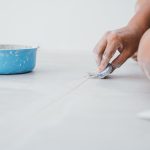
When applying, make slow, steady strokes over each grout line to ensure even coverage. Some areas may require two coats, especially if the grout had deep staining. Let the first coat dry completely before applying the second. Once dry, the lines should look brighter and renewed.
For areas prone to heavy water exposure, it’s wise to add an extra layer of protection. After the grout pen dries fully, applying a compatible grout sealer can help lock in the color and extend water resistance. This two-step approach can give your tiles a refreshed look while also better shielding them against everyday splashes and humidity.
Tips to Maintain and Extend Grout Pen Durability
Like any surface treatment, grout pens will last longer with proper upkeep. Regularly wiping tiles with a soft cloth and avoiding harsh scrubbing pads will help preserve the color coating. Mild cleaners are best since strong chemicals can erode the surface paint faster.
If grout pens are used in high-moisture zones, periodic touch-ups may be necessary. Fortunately, reapplying a grout pen is simple, making maintenance easy compared to traditional re-grouting. To keep things looking consistent, it’s smart to store the same brand and shade of grout pen at home for quick fixes whenever needed.
Lastly, incorporating preventative habits will extend the life of your grout finish. Ensure proper ventilation in humid spaces to reduce moisture build-up, and wipe down shower walls after use to prevent constant water contact. Combining these habits with proper application ensures that your grout pen finish stays fresh and functional for as long as possible.
Grout pens offer a clever and convenient way to give your tiles a polished, clean look without the hassle of re-grouting. While they do provide some water resistance once dried, they aren’t a perfect waterproof solution on their own. For areas that face heavy exposure to water, combining grout pens with a quality grout sealer is the smartest approach. With the right application and maintenance, grout pens can be a long-lasting, budget-friendly upgrade that keeps your home looking refreshed and well-cared for.