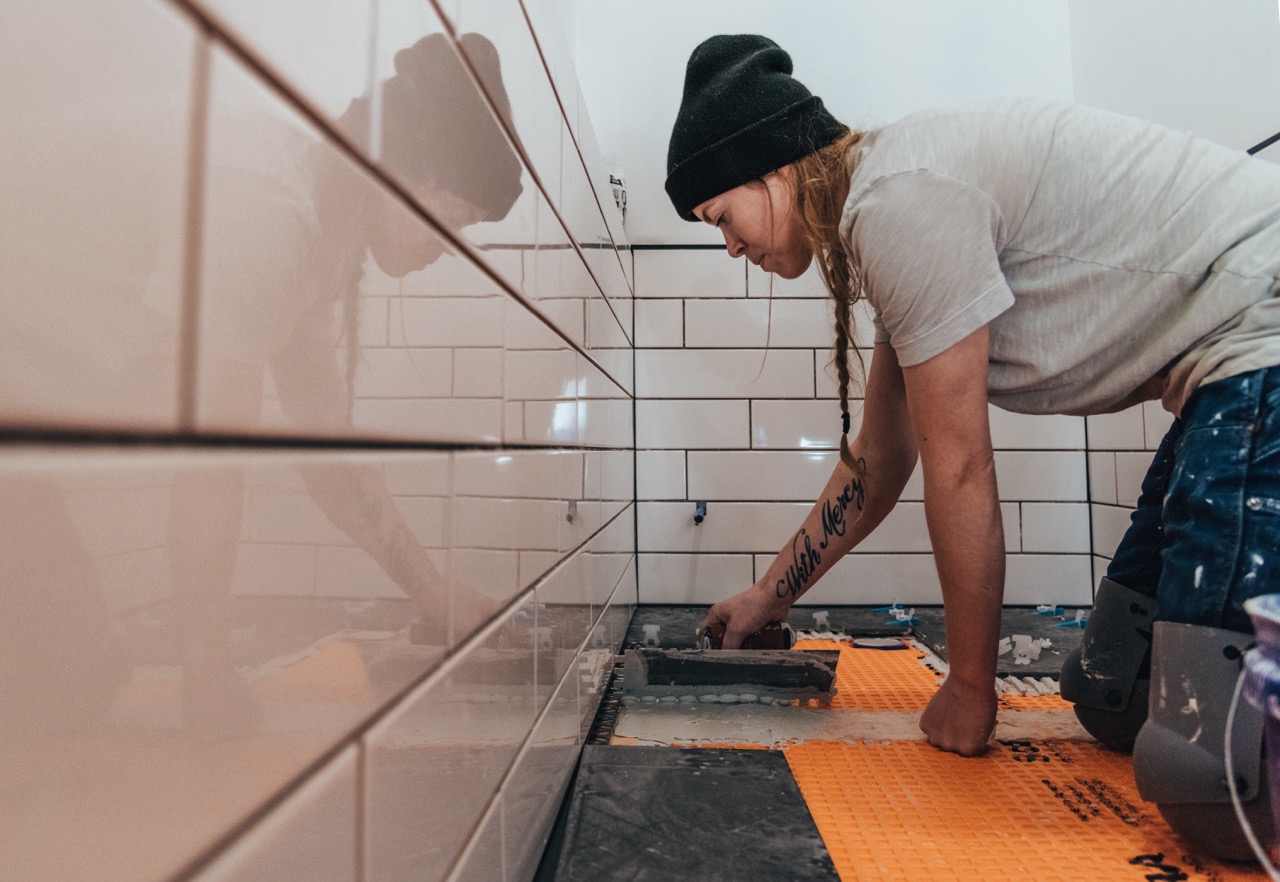




Grout plays a surprisingly big role in how clean and polished your tiles look. Over time, though, grout can lose its bright appearance, becoming stained or discolored. When this happens, homeowners often debate between two options: using a grout pen to refresh the surface or going for a full regrouting job. Both methods have their advantages, but the right choice depends on your budget, expectations, and how much effort you’re willing to invest. Let’s break down the differences to see which option works best.
Comparing Grout Pens and Full Regrouting Costs
Grout pens are by far the more affordable option. A single pen usually costs only a few dollars, and one or two pens can often cover an average-sized bathroom or kitchen backsplash. Since they work much like a marker, the application process is straightforward and inexpensive, making it attractive to those who want a quick fix without spending too much.
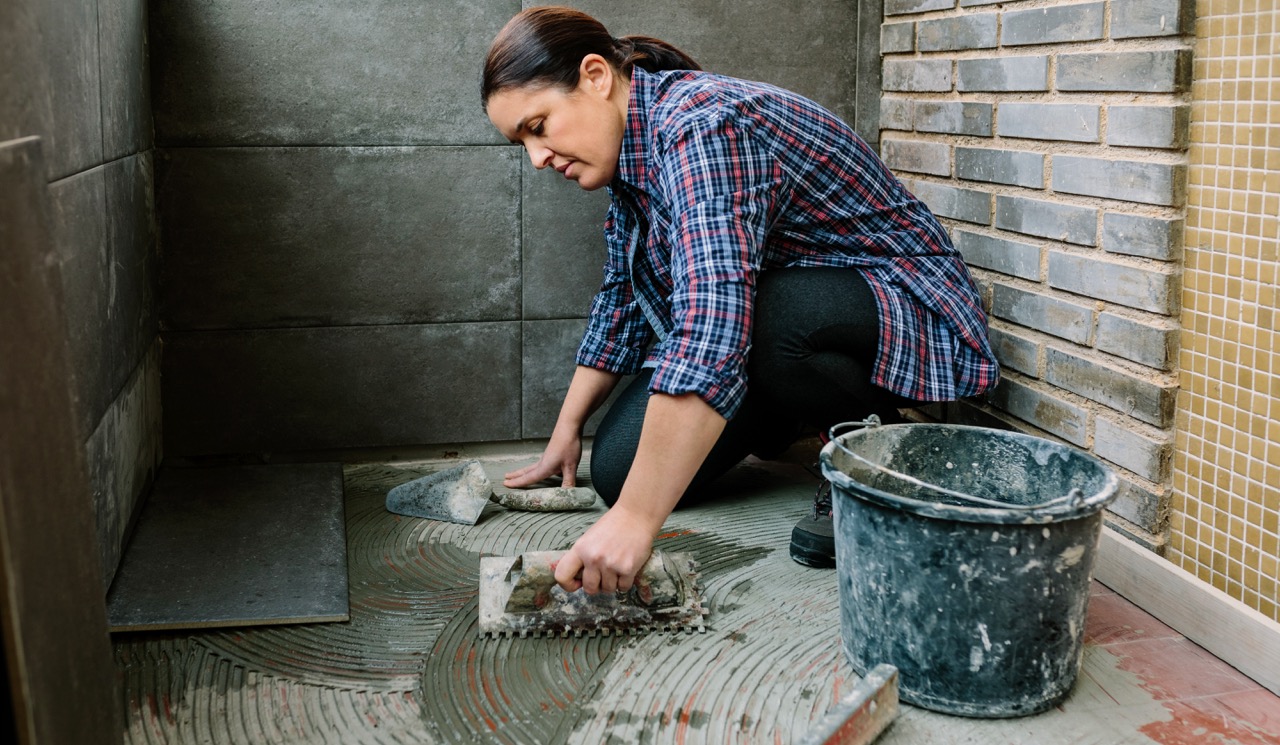
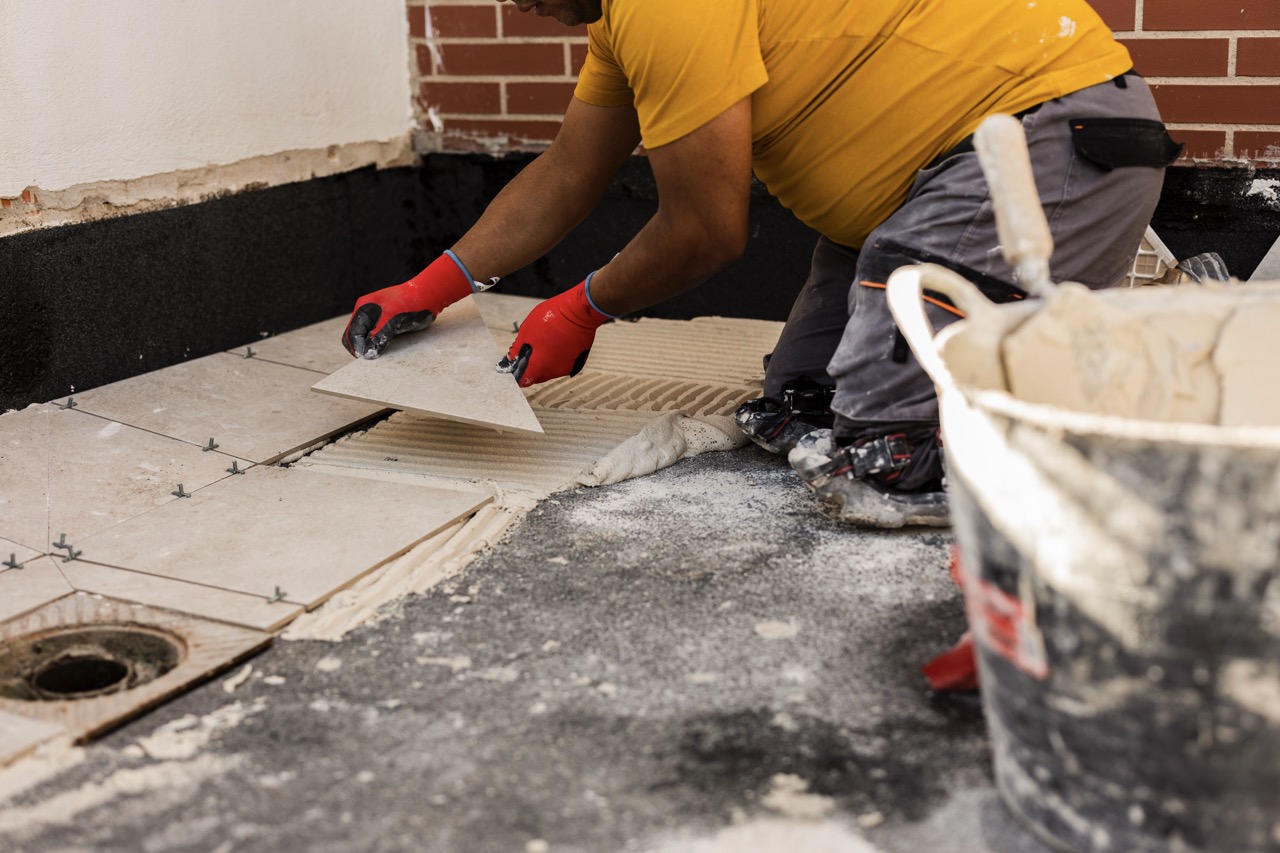
On the other hand, regrouting is a more significant investment. If done professionally, the cost can climb quickly depending on the size of the tiled area. Labor charges and materials can add up, making it one of the pricier home improvement projects for tile maintenance. Doing it yourself could cut costs, but it still requires proper tools and time that many homeowners aren’t prepared for.
In terms of cost-effectiveness, grout pens win when it comes to budget-friendly touch-ups. However, they don’t address deeper issues like cracking or crumbling grout, which could mean you’ll eventually need to invest in full regrouting anyway. In that sense, grout pens work best as a temporary solution, while regrouting pays off in the long run if your grout is structurally failing.
Durability and Results: Which Method Lasts Longer?
Grout pens mainly provide a cosmetic improvement. They essentially act as a layer of paint, covering up stains and discoloration. While they can make grout look brand-new again in minutes, the effect doesn’t last forever. Heavy use areas, such as shower floors, may see the color fading or washing away after months of regular cleaning and water exposure.
Regrouting, however, restores the grout completely by removing old material and replacing it with fresh grout. This not only revamps the look but also reinforces the overall structure, filling any gaps and strengthening the tile bond. When done correctly, new grout can last for several years before needing major attention again, especially if properly sealed and maintained.
So, durability-wise, full regrouting clearly outshines grout pens. That doesn’t mean grout pens have no place—they are great for refreshing lightly discolored grout lines in areas that don’t experience high wear and moisture. But if you’re looking for a solution that will last for years rather than months, regrouting is the more reliable option.
In the end, deciding between grout pens and regrouting comes down to your priorities. Grout pens are a budget-friendly, simple, and fast way to freshen up the appearance of tile grout, making them ideal for cosmetic touch-ups. Regrouting, though more costly and labor-intensive, is a long-term investment that restores both the look and functionality of your tiled surfaces.
If your grout is just a little stained but otherwise intact, a grout pen is a perfectly good alternative that saves time and money. But if you’re dealing with cracks, crumbling, or persistent mold issues, regrouting is a more sustainable solution. Think of grout pens as a temporary makeover and regrouting as a full renovation—both valuable, depending on your situation. Ultimately, the best choice is the one that balances your budget, the condition of your grout, and how long you want the results to last.